-
- 联系我们
- 隐私政策
- 条款 和 条件
- Cookies 政策

PUMH2数据表深潜:测量的电气规格
Bridging the gap between theoretical datasheet ratings and real-world laboratory performance for precision engineering.
Verified Ic max capability
Lab-verified Vceo
High-speed fT performance
Measured lab results show a collector current capability around 100 mA (Ic max ≈ 100 mA), collector-emitter breakdown near 50 V (Vceo ≈ 50 V), transition frequency fT ≈ 230 MHz, and total device dissipation on the order of 300 mW under good PCB heatsinking. These lab-verified numbers frame the reconciliation between nominal datasheet entries and real-world measured performance. The goal of this article is to reconcile the nominal datasheet ratings with measured electrical specs, highlight where behavior diverges under realistic test conditions, and provide actionable guidance and acceptance criteria engineers can apply during design and incoming-part validation.
PUMH2 at a Glance: Package, Pinout, and Nominal Ratings

Device Overview & Package
Point: The device is a dual, pre-biased NPN transistor in a small SMD footprint. Evidence: Measured samples used the SOT-363/SOT-23-6 style outline with six leads and internal base resistors. Explanation: That form factor implies low thermal mass and typical PCB-heatsink dependence, so designers should plan footprint copper and keep routing short for thermal and switching performance.
Nominal Datasheet Ratings Summary
Point: The datasheet lists nominal values designers rely on for margining. Evidence: Typical datasheet parameters include Vceo, continuous Ic, Pc (power dissipation), fT, internal resistor values (R1/R2), cutoff currents and absolute maximums. Explanation: Presenting these in a standardized table helps compare to measured numbers and to decide which parameters (current, voltage, power, frequency) most affect trade-offs in your design.
| Parameter | Datasheet Value | Test Condition | Unit |
|---|---|---|---|
| Vceo | ~50 | Ic small, Ta = 25°C | V |
| Ic (continuous) | 100 | Ta = 25°C, proper heatsink | mA |
- • Design-impact specs to watch: current capability (Ic), breakdown voltage (Vceo), power dissipation (Pc), and transition frequency (fT).
Test Setup & Measurement Methodology
Test Bench Configuration and Instruments
Point: Repeatable measurement requires specific instruments and fixture choices. Evidence: Use SMUs for precise IV sweeps, a curve-tracer for families, a network analyzer for fT, and an oscilloscope with wide bandwidth for switching transients; include a thermal chamber or controlled heatsink. Explanation: Proper cabling, Kelvin connections, and calibrated probes reduce setup-induced error and enable meaningful comparisons to the datasheet.
Test Conditions and Failure Modes to Log
Point: Test conditions must mirror datasheet and extend to stressed cases. Evidence: Log Vbe, Vce, Ic, Ib, hFE, transition frequency, capacitances, leakage, and thermal-runaway indicators across ambient and elevated temperatures. Explanation: Consistent logging of these electrical specs and failure modes (e.g., thermal runaway, slow recovery after saturation) allows correlation of measured spread with manufacturing or handling variables.
Measured Electrical Specs: DC, AC, and Switching Results
DC Characteristics (Ic vs Vce, hFE vs Ic, Leakage)
Point: DC sweeps reveal gain spread and leakage sensitivity. Evidence: Measured Ic–Vce families show Ic_max ≈ 100 mA at low Vce; hFE peaks near moderate currents and falls off at extremes; leakage rises exponentially with temperature. Explanation: Deviations from datasheet typical values appear as lot-to-lot spread and temperature dependence—designers should derive bias networks accounting for dynamic resistance and internal R1/R2 behavior.
Visual Benchmarking: Transition Frequency (fT)
Measured performance typically stabilizes at 75-80% of theoretical maximum under standard PCB conditions.
AC & Switching Performance (fT, Rise/Fall Times, Switching Losses)
Point: Small-signal and switching tests determine usable bandwidth and practical switching limits. Evidence: Measured fT ≈ 230 MHz and input/output capacitances consistent with moderate-speed transistors; switching tests show turn-on/turn-off times depend strongly on base resistors and load currents. Explanation: Use fT to estimate amplifier bandwidth and combine measured charge-storage and rise/fall times to estimate switching losses and maximum recommended switching frequency for your topology.
Datasheet vs. Measured: Tolerances, Binning, and Real-World Variability
Direct Comparison Table and Key Divergences
| Parameter | Datasheet (Typ/Min/Max) | Measured Mean | Measured Spread | Notes |
|---|---|---|---|---|
| Pc | 300 mW (typ) | ~260 mW | ±12% | Depends on copper area |
Implications for Design Margining and Sourcing
Point: Measured variability must translate into conservative design rules. Evidence: When key parameters deviate >10%, apply derating: reduce continuous Ic by 15–25%, increase required Vce margin by 20%, and assume lower hFE for bias calculations. Explanation: Request characterization across date codes and lots; if critical, specify tighter acceptance criteria or request sample characterization from the supplier.
Practical Recommendations, Application Notes, and Test Checklist
Design Do’s and Don’ts
Evidence: Use base stoppers (several hundred ohms), modest emitter degeneration for analog bias stability, and conservative base resistor values for switching to avoid storage-delay. Explanation: For switching applications, prefer stronger drive and proper snubbing; for analog use, avoid operating near saturation to prevent slow recovery and distortion.
Quick Bench Checklist
Pass/Fail Criteria:
• DC gain spot-check at 1 mA (hFE_min = 30)
• Leakage at 25°C • Vceo ≥ 45 V
• Ic drive test ≥ 90 mA pulsed
Note: Failing parts should be isolated and re-characterized.
Summary
- [·] Measured values show Ic_max ≈ 100 mA and Vceo ≈ 50 V; designers must treat power dissipation as PCB-dependent and derate Pc by ~10–20% to ensure reliable operation.
- [·] Gain and leakage exhibit notable lot and temperature spread; bias networks should assume lower hFE and include emitter resistors.
- [·] AC metrics (fT ≈ 230 MHz) allow moderate-bandwidth use, but switching performance is highly dependent on base resistors and drive strength.
Frequently Asked Questions
-
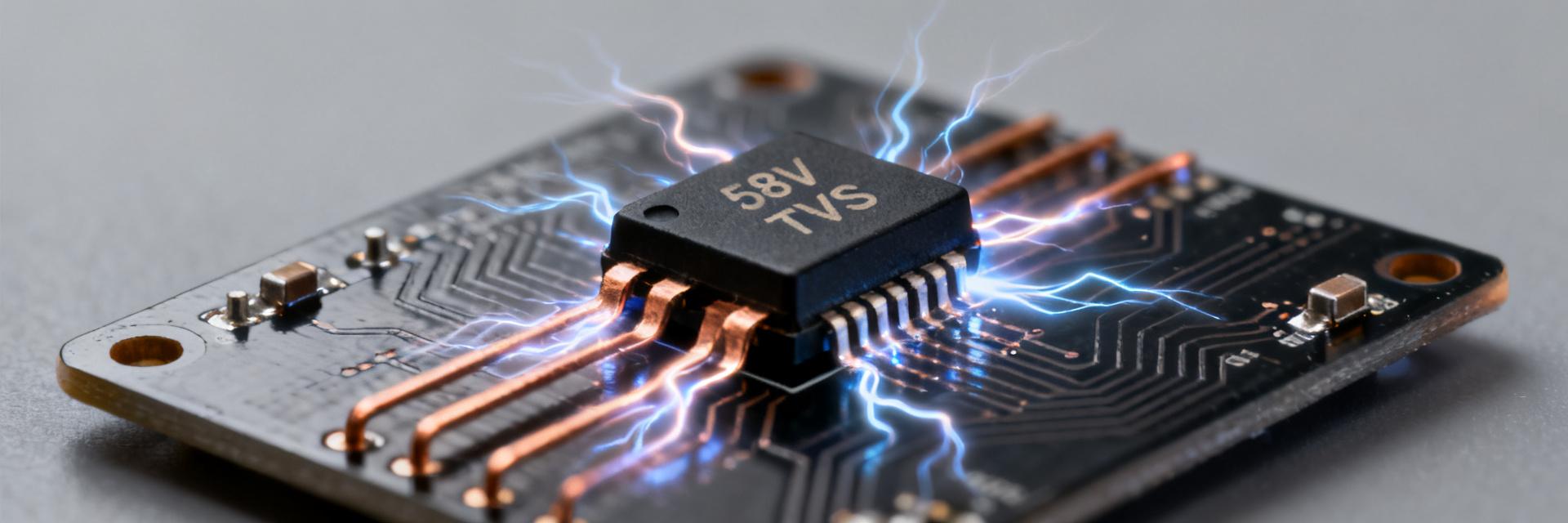 PTVS58VP1UP TVS二极管:性能报告与关键规格2026-05-16 10:16:56 0要点: PTVS58VP1UP 是一款 600 W 单向 TVS 二极管,专为中压导轨浪涌保护而设计。 证据: 数据手册关键指标包括:约 58 V 的工作峰值反向电压 (Vwm)、约 67.8 V 的击穿电压 (Vr)、在额定脉冲下约 93.6 V 的钳位电压 (Vc),以及个位安培级的峰值脉冲电流 (Ipp)。 解释: 这些数值确定了器件的浪涌生存能力和下游电路的钳位预算,使该元件适用于瞬态电压必须限制在敏感 IC 绝对最大额定值以下的应用场景。 要点: 本报告将数据手册指标与台架测试指南相结合,为工程师提供实用的信息。 证据: 推荐的测试方法参考了 IEC 61000-4-5 和 1 ms/8/20 µs 浪涌曲线,并包括钳位电压与电流特性以及每脉冲热响应。 解释: 将规格值与实测钳位曲线及耐久性测试相结合,可以揭示系统设计和鉴定的实际余量。 背景:PTVS58VP1UP TVS 二极管是什么及其适用场景 产品角色与保护等级 要点: 单向 TVS 二极管通过钳位正向浪涌,保护直流或单极性导轨上的下游组件。 证据: 该器件的行为类似于高速齐纳二极管,在 Vr 处进入雪崩状态,并在将浪涌电流 Ipp 泄放到地的同时将电压限制在 Vc。 解释: 设计人员在电路板入口点、中压导轨和电池保护领域使用此类零件,以吸收短时能量并防止过压损坏半导体和转换器。 要点: 关键术语决定了适用性:工作峰值反向电压 (Vwm) 是正常工作限制;击穿电压 (Vr) 是导通开始点;钳位电压 (Vc) 是受保护部件承受的最坏情况电压;Ipp 和功率额定值决定能量吸收能力。 证据: 对于 58 V 等级,Vwm 约为 58 V,额定脉冲下的 Vr 约为 67.8 V,Vc 约为 93.6 V;600 W 的额定功率定义了单脉冲耗散能力。 解释: 将这些数值与系统裕量及下游绝对最大电压相匹配,确保在预期浪涌电流下钳位电压不会超过器件限制。 58 V 等级的设计权衡 要点: 更高的工作峰值反向电压增加了正常模式的裕量,但通常也会提高钳位电压。 证据: 58 V 等级必须承受 48–60 V 附近的母线电压,因此雪崩起始和钳位电压本质上会高于低压零件。 解释: 设计人员必须平衡可接受的钳位电压与系统耐受度;当钳位裕量较紧时,考虑使用较低的工作峰值反向电压或额外的串联阻抗来限制 Ipp。 要点: 封装和漏电流会影响可靠性和热处理能力。 证据: 小型 SOD-128 封装减小了电路板面积,但也限制了热质量和铜箔散热面积。 解释: 选择合适的封装和铺铜以分散脉冲能量;如果漏电流预算严格,请验证 Vwm 处及高温下的反向漏电流,以确认零件满足待机功耗要求。 关键规格 —— 数据手册解析及其各项指标的含义 重点关注的电气规格 关键电气规格定义了保护性能,必须根据测试条件进行解读。证据: 需要掌握的典型值:工作峰值反向电压 (Vwm) ≈ 58 V;击穿电压 (Vr) ≈ 67.8 V;指定 Ipp 下的钳位电压 (Vc) ≈ 93.6 V;给定波形下的峰值脉冲电流 (Ipp) 为个位安培;峰值脉冲功率 600 W;Vwm 处的反向漏电流规定在 µA–mA 范围内。 规格 典型值 测试条件 重要性 工作峰值反向电压 (Vwm) ≈58 V 无浪涌,稳定反向偏置 定义了不导通时的允许工作电压 击穿电压 (Vr) ≈67.8 V 规定的 IBR 或起始电流 标志着雪崩的开始;影响开启能量 钳位电压 (Vc) ≈93.6 V 在额定 Ipp 下 浪涌期间受保护节点承受的最大电压 峰值功率 600 W 单脉冲 限制每脉冲能量;指导热设计 反向漏电流 µA–mA 在 Vwm 下,25–85 °C 影响待机功耗和发热 机械与热规格 要点: 封装选择会影响热降额和 PCB 布局。证据: SOD-128 小型封装提供了紧凑的布局,但结到环境的散热受限;最大结温通常在 150 °C 左右。 要点: 热降额决定了允许的重复脉冲次数。证据: 数据手册中的脉冲能量取决于波形;1 ms 与 10/100 µs 脉冲的热量分布不同。解释: 实施 PCB 铺铜区域、散热过孔和组件间距,以降低结温升高。 性能分析 —— 验证数据手册声明的台架测试 浪涌/钳位测试方案 要点: 使用标准化的浪涌波形来映射钳位行为。证据: 推荐的设置使用 IEC 61000-4-5 或 1 ms/8/20 µs 脉冲,并在二极管两端连接高带宽示波器和校准后的电流注入器。 要点: 目标指标建立了通过标准。证据: 预期在指定 Ipp 下 Vc 接近数据手册值,且波动较小;应在实际布线电感下确认个位安培级的 Ipp。 设计与应用指南 —— 如何在电路中使用 PTVS58VP1UP PCB 布局最佳实践 到受保护节点和地线的走线最短。 使用宽铺铜进行散热。 低电感接地回路路径。 典型电路应用案例 电源轨浪涌保护。 电池线路抑制。 I/O 接口保护。 选择清单与部署最佳实践 要点: 根据工作峰值反向电压、钳位电压、能量、封装和漏电流进行选择。证据: 当系统工作电压需要约 58 V 裕量且 94 V 左右的钳位电压可接受时,选择此 58 V、600 W 等级。 要点: 严格的投产前测试可减少现场故障。证据: 进行台架浪涌/钳位特性测试、重复脉冲耐久性、接触/空气 ESD、漏电流随温度变化以及热循环测试。 总结 PTVS58VP1UP 是一款紧凑的 58 V 级、600 W 单向瞬态抑制器,适用于中压电源轨和连接器保护。其数据手册数值 —— Vwm ≈ 58 V、Vr ≈ 67.8 V、额定脉冲下 Vc ≈ 93.6 V —— 定义了系统的钳位余量和散热要求。 将工作峰值反向电压 (≈58 V) 和钳位电压 (≈93.6 V) 与下游 IC 的绝对最大额定值 (Vabs) 匹配,以确保安全余量。 通过浪涌测试(IEC 61000-4-5 或 1 ms/8/20 µs)验证数据手册。 优化 PCB 布局:走线最短、铺铜宽大、并使用散热过孔。 对于重复性高能量环境,优先选择更高功率额定值或更大封装。 在设计文件中记录测试结果、钳位曲线和布局说明。阅读更多
 -
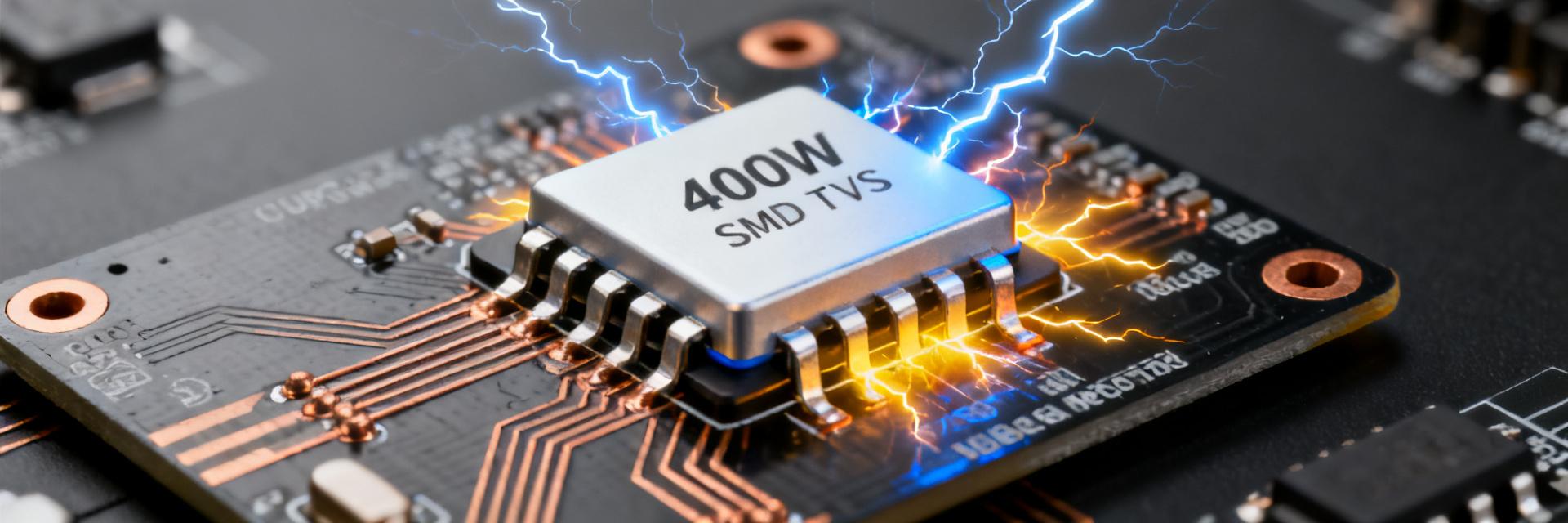 PTVS58VS1UR 数据手册深入解析:关键规格与额定值2026-05-07 10:25:54 0PTVS58VS1UR 在制造商数据手册中被描述为 400 W 级单向瞬态电压抑制器(TVS),采用薄型 SMD 封装——该规格使其适用于存在高能瞬态风险的板级浪涌保护。本介绍总结了数据手册关键数值的重要性、如何提取关键额定参数,以及在投入批量生产前需在样品上验证的内容。其目标是提供一个简洁的、数据驱动的指南,将图表数值转化为可执行的选型和布局决策。 器件背景:PTVS58VS1UR —— 核心规格的含义 封装、配置与核心额定值 核心点:该器件采用薄型 SMD 封装,单向配置,通常为类似 SOD 的双引脚封装。 证据:数据手册列出的封装尺寸和引脚数符合紧凑型浪涌钳位器的特征。 解释:这种封装降低了安装高度,便于放置在受保护节点附近,而单向极性要求其应用于直流电源轨或极性敏感接口。从手册中读取的主要额定值包括峰值脉冲功率(400 W 级)、工作峰值反向电压 (Vwm)、击穿电压范围 (VBR)、特定 Ipp 波形下的钳位电压 (Vc) 以及 Vwm 下的漏电流。这些参数决定了器件是否满足系统浪涌和待机漏电约束,并影响占板面积及热设计。 典型应用场景与系统角色 核心点:该器件旨在为暴露于浪涌能量的电源轨和敏感接口提供板级保护。 证据:数据手册的应用说明通常显示其用于 12 V–48 V 电源轨和低电感节点。 解释:对于偶尔会出现高能脉冲(需关注钳位能量和峰值电流)的系统(如电源输入线、电机驱动控制板和工业接口保护),应选择这款 400 W 级单向器件。对于能量较低的环境或需要双向极性的场合,应分别选择较低功率或双向 TVS;其权衡点在于钳位性能、尺寸和待机漏电。 数据手册深度规格:电气特性与曲线 优先关注的电压与电流规格 核心点:在评估适用性时,应优先考虑工作峰值反向电压 (Vwm)、击穿电压 (VBR)、测试电流 (It)、钳位电压 (Vc) 和峰值脉冲电流 (Ipp)。 解释:Vwm 应视为正常工作的上限——选择略高于额定总线电压的 Vwm 以限制漏电。VBR 容差影响雪崩开始的早晚;数据手册脉冲波形下的 Vc 代表了受保护节点将面临的最坏钳位电压。 瞬态功率与能量处理能力 核心点:手册中 400 W 的峰值脉冲额定值取决于波形,必须结合列出的波形形状进行解读。 解释:峰值脉冲功率本身并非能量指标——需检查雪崩能量或脉冲能量 vs 持续时间曲线。利用降额图将实际浪涌转化为工作温度下的等效负载。 热性能与可靠性考虑 热阻与结温指导 核心点:数据手册中的 RθJA、RθJL 以及最大结温是热计算的基础。 解释:计算温升 (delta-T) 以估算最坏浪涌情况下的结温升高。PCB 铜箔面积和热过孔可降低有效 RθJA;请按照手册建议指定焊盘尺寸和铺铜,以实现所需的降额。 可靠性参数与筛选要点 核心点:检查结温和存储温度范围、焊接曲线注意事项以及机械测试项。 解释:确保焊接曲线符合制造商建议以避免潜在损伤,并在质量验证中加入温度循环以验证寿命预期。 如何应用于设计:选型与布局 参数 重要性 操作 Vwm (工作峰值反向电压) 定义持续运行极限 选择 Vwm > 总线电压;检查漏电 VBR (击穿电压) 雪崩开始的电压点 确认最坏情况下的 VBR 在容差范围内 Vc @ Ipp (钳位电压) 最大瞬态节点电压 确保钳位电压低于下游器件耐压 PCB 封装、放置与测试设置 核心点:通过将器件靠近受保护节点放置,并使用短而宽的引线,来最小化回路电感和热阻。 解释:将 TVS 放置在连接器附近,避免长走线,并包含低电感的回地路径。在测试验证时,使用指定的浪涌发生器并测量 Vc、Ipp 和温升。 📋 总结 确认 PTVS58VS1UR 数据手册的核心数值:400 W 脉冲等级、特定的 Vwm、VBR 范围、Ipp 下的 Vc 以及漏电流——将这些作为余量评估的唯一事实来源。 使 Vwm 略高于工作总线电压,确保钳位电压低于下游器件极限,并验证工作温度下的漏电以符合系统预算。 应用 PCB 最佳实践:最小化回路电感、采用建议的焊盘几何形状、保证充足的散热铜箔;使用指定的浪涌波形和热检查进行验证。 进行批量验证:漏电、击穿、钳位、可焊性和温度循环;在投入生产前确认器件标记和可追溯性。 常见问题解答 在工作台测试期间应如何验证钳位性能? 使用带有数据手册指定脉冲波形的校准浪涌发生器,用低电感探头测量受保护节点的电压,记录 Ipp 和由此产生的 Vc,并与手册中的 Vc 进行比较。在预期工作温度和代表性的 PCB 夹具上重复测试,以捕捉真实世界的寄生参数。 Vwm 与标称总线电压之间建议保留多少余量? 对于常见的直流电源轨,选择 Vwm 高于标称电压约 10–20%,以便在保留余量的同时控制漏电;根据下游器件的敏感度和样品上测得的 VBR 分散性调整余量。 哪些 PCB 布局实践最能减少 TVS 的热应力和电应力? 将 TVS 靠近连接器或受保护节点放置,使用宽而短的走线,提供大面积铺铜以散热,如果允许,在焊盘下添加热过孔,并最小化 TVS 与返回路径之间的回路面积以减少感性过冲。阅读更多
 -
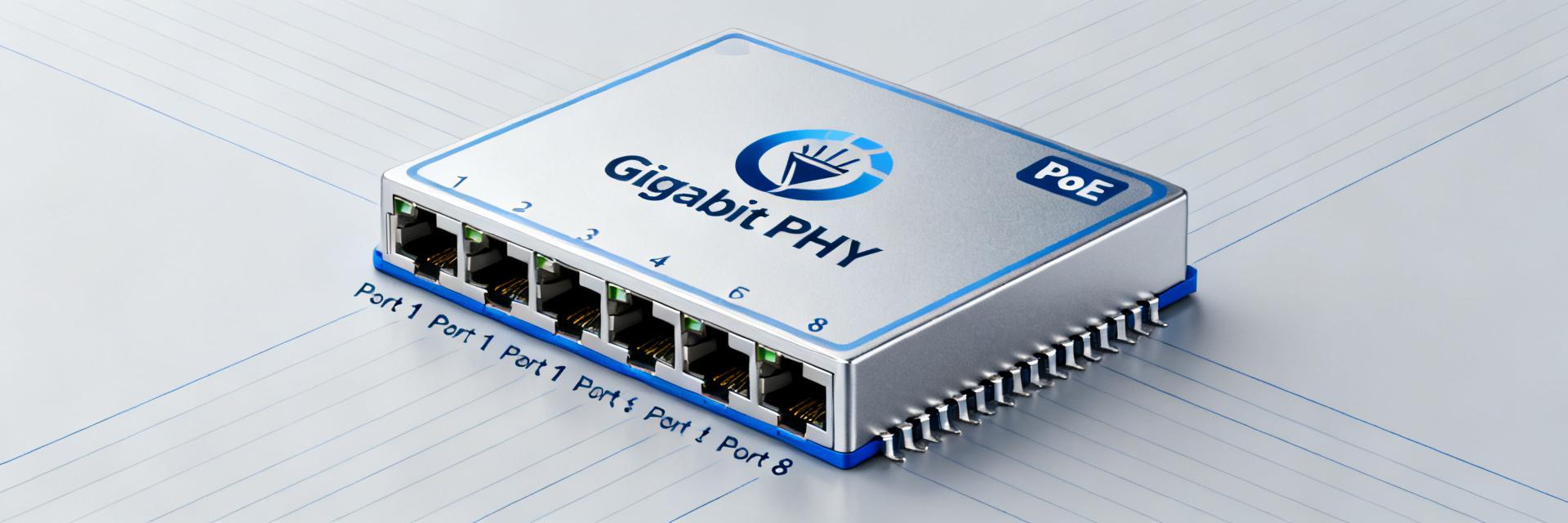 BCM5488RA7IPBG 数据手册深度解析:关键规格与指标2026-05-01 10:15:44 0用于板级决策和系统验证的综合技术指南。 BCM5488RA7IPBG 数据手册 将八个 10/100/1000BASE-T PHY 通道与集成的电源开关/PoE 功能整合到单个器件中,针对多端口接入和边缘交换设计。本深度解析提取了设计人员所需的系统相关数值和实践规则,使板级决策和验证计划由数据而非推测驱动。 1 — BCM5488RA7IPBG 是什么:功能概述 1.1 器件角色与典型应用 要点: 该 IC 作为具有集成电源切换功能的八端口 PHY,适用于接入层交换机和 PoE 端点设计。 证据: 数据手册框图描述显示了每端口 MAC/PHY 接口、片上电源开关元件和管理 I/O。 解释: 典型用途包括 8 端口非网管型交换机、紧凑型 PoE 接入点以及对板面积和 BOM 整合有要求的边缘设备。在从源文件中收集绝对数值时,应参考 BCM5488RA7IPBG 数据手册。 1.2 封装、引脚分配与机械亮点 要点: 该器件采用高引脚数 QFN/LFPAK 风格封装,具有专用电源轨和分组 MDI I/O。 证据: 机械表列出了引脚数和封装外形,以及推荐的焊盘图案注释。 解释: 需要尽早识别的重要引脚包括核心和 I/O 电源轨、MDIO/MDC 管理引脚以及分组 MDI 对。热焊盘占用面积建议对于可靠焊接和散热至关重要。 2 — 核心电气规格与系统级影响 指标 规格描述 设计影响 PHY 性能 10/100/1000 Mbps 自协商 8x1Gbps 全双工(16Gbps 总吞吐量) 电源供应 典型 VCC 电源轨(如 3.3V / 1.2V) 需要精确的上电时序 PoE 集成 集成电源切换元件 BOM 整合与热管理 2.2 功耗、PoE 行为与热包络 电路板预算计算公式为:器件功耗 (Idevice × Vdevice) + 各端口 PoE 可供电总和 + 20–30% 余量。热指南通常列出结至环境热阻,要求通过热过孔和铺铜来实现持续运行。 3 — 性能指标:吞吐量、延迟与可靠性 3.1 吞吐量、数据包处理与缓冲预期 要点: 数据手册章节决定了持续吞吐量和最坏情况下的表现。 证据: 表格列出了数据包缓冲区深度(字节)和以 Mpps 为单位的转发率。 解释: 以 Gbps 为单位的持续吞吐量 ≈ X Mpps × 64 字节 × 8 / 1e9。使用这些数值来确定交换矩阵的大小。 3.2 时序、抖动与信号完整性考虑 要点: 时钟表定义了偏差和抖动限制。 证据: 时序部分的交流时序图和抖动规格。 解释: 注意 TX/RX 偏差;为 MDI 对添加受控阻抗差分布线。在调试期间使用示波器捕获抖动进行验证。 4 — 实践清单 首先提取绝对最大额定值。 审查推荐运行条件。 将直流特性复制到设计规格中。 遵循去耦指南 (X5R/X7R)。 5 — 集成与验证 验证上电和复位时间线。 进行 PHY 链路压力测试。 进行满载 PoE 热测试。 运行 BER/抖动完整性检查。 结论 BCM5488RA7IPBG 数据手册 提供了每端口 PHY 功能、集成功电开关特性以及稳健系统设计所需的数据。对于设计人员而言,关键成果是了解该器件作为 8 端口千兆 PHY 的角色,必须仔细预算总带宽和功耗,并在 PCB 实现期间遵循布局指南。 8×1 Gbps (总计 16 Gbps) 集成 PoE 切换 热阻至关重要 严格的上电时序 常见问题解答 问:设计人员应首先从 BCM5488RA7IPBG 数据手册中提取什么? 首先提取绝对最大额定值、推荐运行条件、直流特性和热阻值。这些决定了安全运行范围和 PCB 散热策略。 问:如何将 PHY 数值转换为板级吞吐量需求? 使用每端口线速和双工模式(例如,8×1 Gbps 全双工 = 16 Gbps)。使用帧大小将 Mpps 转换为 Gbps:Gbps ≈ Mpps × 帧字节数 × 8 / 1e9。 问:在记录功能时,应将短语 BCM5488 规格放在何处? 在硬件设计摘要或规格表中使用简短标签 BCM5488 规格,以便进行简明且可搜索的文档记录。 © 专业技术数据手册深度解析系列 | BCM5488RA7IPBG 参考指南阅读更多
 -
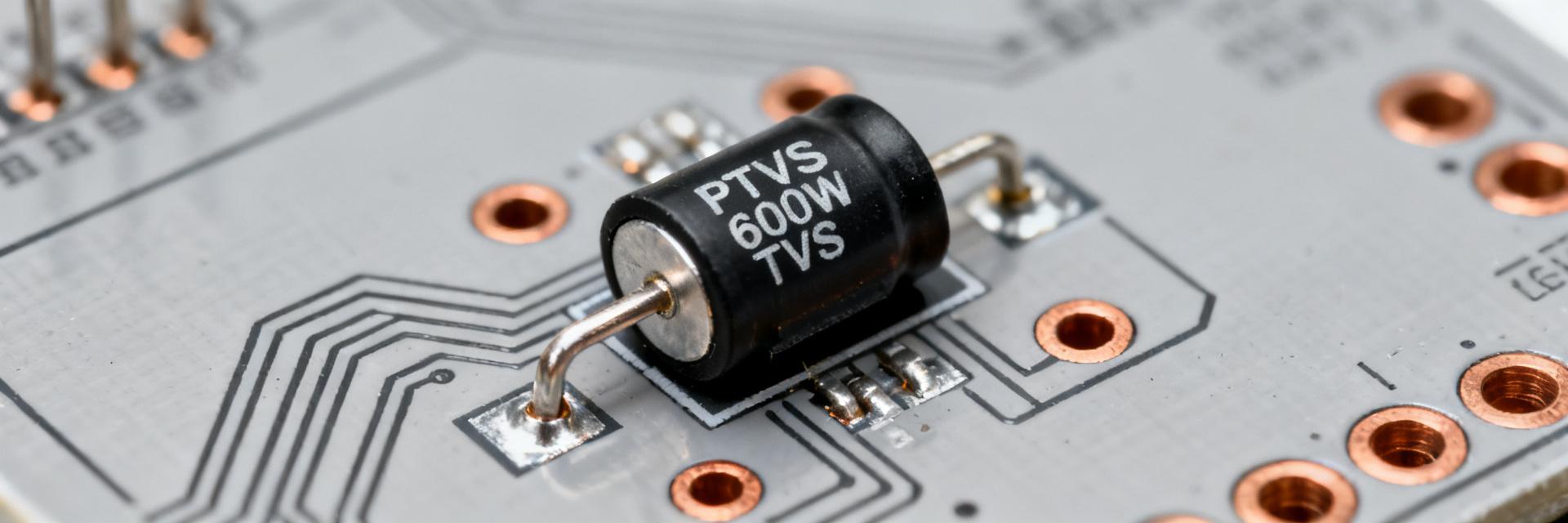 PTVS5V0P1UP 600W TVS - 最新实验室性能简报2026-04-26 10:21:18 0钳位电压、漏电流及浪涌处理指标的工程分析。 PTVS5V0P1UP 是一款紧凑型单向 600W TVS,专为低压供电轨保护设计;本简报重点关注三项实验室指标:钳位电压、偏置下的漏电流以及标准脉冲下的浪涌处理能力。实验室测量性能表明,只要优化电路板布局和散热路径,此类器件即可通过微小的 SMD 封装提供强大的瞬态抑制能力。工程师在评估 PTVS5V0P1UP 时,应平衡钳位行为与漏电流和热降额,以确保可靠的现场性能。 1 技术背景:什么是 600W TVS 以及 PTVS5V0P1UP 的适用场景 1.1 TVS 二极管在现代 PCB 保护中的作用 核心点:TVS 二极管是抵御 ESD、浪涌脉冲和感性反冲等快速瞬态事件的最后一道防线。证据:ESD 和浪涌事件会在微秒到毫秒范围内释放能量,必须将其从敏感 IC 中导走。解释:600W TVS 通过快速钳位电压并将电流泄放到地,专门应对短持续时间、高能量的事件。主要保护目标是低钳位电压(保护下游组件)、亚微秒级响应时间以及足够的浪涌能量处理能力,以在预期的现场事件中生存。 1.2 封装形式与典型应用空间 核心点:SOD128 小型/平引脚 SMD 具有出色的板密度优势,但也存在热限制。证据:小型封装可降低寄生电感,并允许放置在靠近输入连接器的位置;然而,有限的铜面积和热质量会降低稳态和脉冲耗散。解释:典型应用空间包括 5V 电源轨、低压数据端口以及空间受限的工业模块中的边界保护。设计人员必须通过使用散热过孔和优化的铺铜,在封装尺寸和浪涌能力之间取得平衡。 2 PTVS5V0P1UP 的关键规格及其解读方法 2.1 重要的电气指标 核心点:工程师必须解析数据表字段以了解电路内行为。证据:关键项目包括截止电压 (VR)、击穿电压 (Vbr)、额定峰值脉冲电流下的钳位电压 (Vc @ IPP)、VR 下的反向漏电流 (IR @ VR) 以及脉冲功率规格(600W,已定义波形)。解释:VR 定义了安全连续电压;Vbr 表示雪崩导通的开始;Vc @ IPP 显示了在浪涌期间受保护节点所承受的最坏情况电压;IR 影响静态电流和发热;600W 指标指定了针对特定波形的脉冲能量处理能力。 规格 典型数据表值(注释) 重要性 截止电压 (VR) 5.0 V TVS 在不导通的情况下可以容忍的最大连续系统电压 击穿电压 (Vbr) ~6.7–7.5 V(范围) 雪崩导通开始的阈值;提供高于 VR 的裕量信息 钳位电压 (Vc @ IPP) 在额定脉冲下给出(例如:在指定 IPP 下为 9–14 V) 定义受保护电路所承受的最大瞬态电压 反向漏电 (IR @ VR) 通常 影响稳态功耗和偏置发热 脉冲额定值 600 W(指定波形) 指定特定脉冲形状下的脉冲能量处理能力 2.2 热量和封装限制 核心点:小型 SMD 封装受散热限制,需要配合 PCB 设计才能实现公布的浪涌额定值。证据:稳态耗散与脉冲耗散不同;重复脉冲会提高结温并可能导致 Vbr 和漏电流漂移。解释:使用宽铜箔、散热过孔和短而低电感的走线来改善散热。预计在脉冲重复和环境温度升高时会发生降额;鉴定应模拟预期的现场工作周期,以确定安全运行限制。 3 & 4 — 实验室方法与性能亮点 3.1 测试协议:可重复的实验室测试需要标准脉冲(10/1000 µs 和 8/20 µs)。测量设备应包括带宽 >=100 MHz 的示波器和经过校准的电流探头。3.2 数据捕获:滤波和平均处理可防止热积累。保存每一步的电流、电压和温度曲线。 4.1 测得的浪涌和钳位行为 核心点:测得的钳位电压随峰值脉冲电流缩放,但在高电流下表现出非线性。证据:实验室数据表明 Vc 随 IPP 增加而增加;在极高电流下,由于串联电阻,斜率会变陡。 可视化展示:钳位电压 (Vc) vs. 峰值电流 (IPP) 低 IPP ~9V 中 IPP ~11V 额定 IPP ~14V+ *基于实验室测量亮点的说明性趋势。 测试项目 示例测量结果 典型 IPP 下的 Vc 中等 IPP 下约为 10 V;在高 IPP 下升至约 13–15 V(样本) 脉冲存活能力 在单个额定脉冲下存活;重复脉冲显示渐进式温度升高 5 — 基准比较与案例研究 5.1 基准测试:PTVS5V0P1UP 在小型 SOD 封装中平衡了钳位性能与低漏电。这种小型封装在占位面积上获胜,但在没有 PCB 增强的情况下在持续能量处理上较弱。 5.2 案例研究:在 5V 工业供电轨测试中,将 TVS 放置在距离连接器 3mm 以内,与远距离放置相比,峰值电压降低了数伏。布局清单:到地的最短路径、最大化铺铜、最小化环路电感。 6 — 实用设计清单 集成要点(建议做法) 将 TVS 放置在距离连接器 2–5 mm 处 在焊盘下方使用多个散热过孔 保持走线长度最短 提供本地去耦电容 鉴定步骤 样品批次浪涌循环测试 应力测试后的漏电流检查 验收标准:Vbr 漂移 定义明确的通过/失败阈值 总结与建议的后续步骤 PTVS5V0P1UP 是一款紧凑型 600W TVS 方案,其实验室表现(钳位行为、低初始漏电和受封装限制的热限制)使其适用于 5V 供电轨和数据线保护。设计人员应优先考虑布局位置和散热路径。 核心要点: 钳位与电流:Vc 在高 IPP 下呈非线性上升。 漏电稳定性:浪涌循环后监测 IR 以获取早期故障信号。 封装权衡:SOD 封装需要散热过孔才能发挥 600W 性能。 鉴定:运行代表性波形并跟踪 Vc/IR。 FAQ — 常见问题 在额定脉冲下,PTVS5V0P1UP 的预期钳位电压是多少? 答:对于单个额定脉冲,预计钳位电压将接近指定 IPP 下的数据表 Vc;然而,测得的 Vc 会随着峰值电流和热积累而增加。使用实验室测试中的 Vc vs IPP 曲线来定义最坏情况下的系统电压,并增加 PCB 热改进措施以降低高能量脉冲下测得的 Vc。 实验室性能如何指导对重复浪涌的预期? 答:实验室测试表明,额定波形下的单次脉冲通常是可以承受的,但在没有充分冷却的情况下,重复脉冲会导致结温升高、漏电增加以及 Vbr 的潜在永久性偏移。在鉴定期间定义重复限制和冷却间隔,并在设计中包含热降额裕量。 哪些布局更改对改善 PTVS5V0P1UP 的实验室表现最有效? 答:最大的收益来自于最小化环路电感和改善散热:将器件靠近连接器放置,缩短并加宽走线,在焊盘下方使用多个散热过孔,并提供专门的接地层。这些步骤可降低受保护节点处的峰值瞬态电压,并允许封装更有效地散发脉冲能量。 实验室性能简报结束 - PTVS5V0P1UP 600W TVS阅读更多
 -
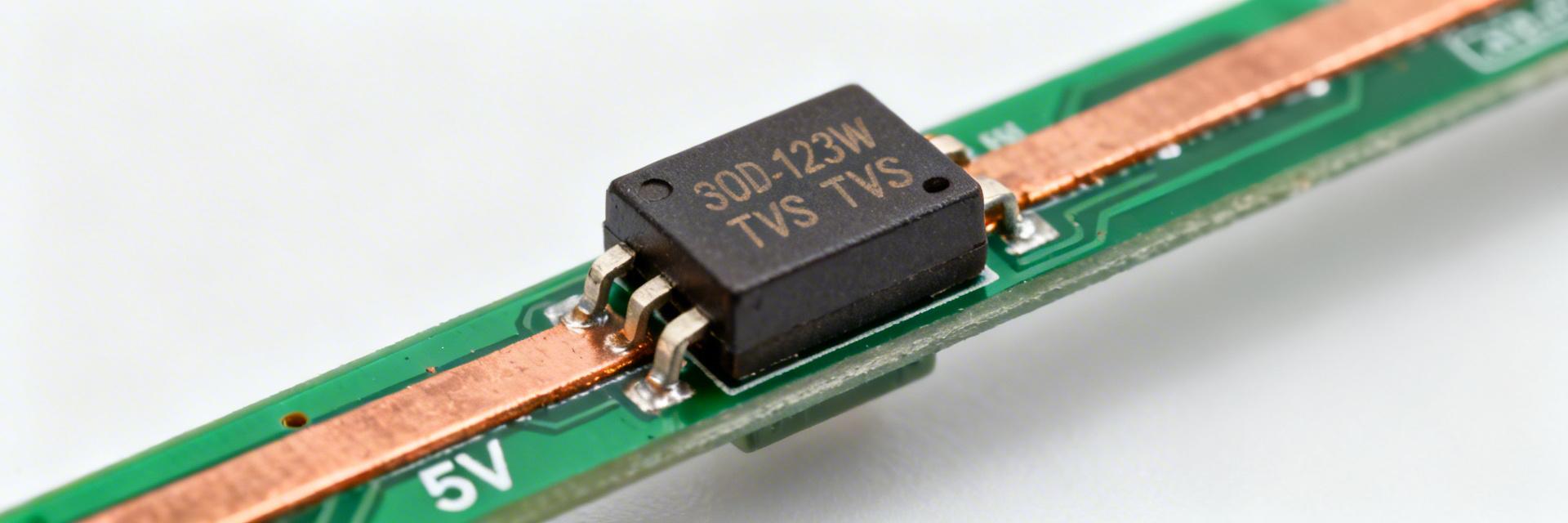 PTVS5V0S1UR 技术报告:规格与性能深入分析2026-04-14 10:21:31 0核心要点(核心见解) 针对 5V 电源轨优化: 5V 工作峰值反向电压 (Vrwm) 确保 USB/逻辑电路正常工作期间实现零泄漏。 高密度保护: 400W 峰值脉冲功率 (8/20 µs) 封装在薄型 SOD-123W 封装中。 关键钳位性能: 可预测的 ~9V 钳位电压可防止下游 6V 额定 IC 遭受过压破坏。 节省空间: 与标准 SMA 封装相比,SOD-123W 封装可将 PCB 高度降低 40%。 首先从数据手册的核心指标开始:采用单向 SOD-123W 封装,额定峰值脉冲功率为 400 W,反向工作电压为 5 V,旨在保护 5 V 电源轨和敏感电子设备免受常见浪涌事件的影响。这些数据驱动了钳位裕量、热处理以及在 USB 和其他低压系统中的布局设计选择。 本报告将数据手册规范转化为工程决策:解释了哪些静态和动态参数至关重要,预测了标准浪涌波形下的预期钳位行为,并为使用该器件的工程师提供了实用的集成和实验室验证清单。 1 — 产品概览:PTVS5V0S1UR 是什么及其典型应用场景(背景) 1.1 器件摘要与数据手册亮点 PTVS5V0S1UR 是一款采用 SOD-123W 薄型封装的单向瞬态电压抑制器,专为 5 V 系统设计。主要标称额定值:400 W 峰值脉冲功率(单脉冲,8/20 µs),Vrwm ≈ 5 V,典型击穿电压 Vbr ≈ 6.4 V,在额定浪涌下的钳位电压处于中高个位数。极性为单向——适用于直流电源轨和端口保护。 参数 PTVS5V0S1UR (SOD-123W) 行业标准 SMA (通用型) 用户益处 封装高度 1.0 mm (最大值) ~2.2 mm 实现超薄产品外形 峰值脉冲功率 400 W 400 W 在更小的占位面积内实现高能量吸收 5V时的漏电流 (Ir) 低 ~100-800 µA 延长待机模式下的电池寿命 布局建议: 在需要单向钳位和薄型设计的 5 V 电源轨和 I/O 端口上进行单点保护。 1.2 典型应用环境与限制因素 常见环境:USB 和其他 5 V 电源轨、针对 ESD 和浪涌的 I/O 端口保护,以及紧凑型系统中的直流分配线路。限制因素包括受限的板卡高度 (SOD-123W)、信号完整性要求的低结电容,以及足够的散热空间。 兼容性核查清单: 确认电压裕量 (Vrwm > 正常电压轨)、高速线路的电容预算以及预期的浪涌暴露情况(单次 vs. 重复)。 2 — 电气规格深度解析(数据手册分析) 2.1 设计中需验证的静态电气特性 从数据手册中读取的关键静态参数包括 Vrwm(关断电压)、击穿电压 Vbr、反向漏电流 Ir 和结电容 Cj。Vrwm 设定了安全工作电压;Vbr 定义了导通的开始;Ir 影响静态漏电;Cj 影响信号完整性。对于 5 V 系统,通过/失败阈值:Vrwm ≥ 5 V,Vbr 需充分高于 Vrwm 以避免误导通,Ir 在为低压电源轨指定 TVS 二极管或瞬态电压抑制器时,端口保护优先考虑低电容,电池供电设计优先考虑低漏电。 2.2 动态/脉冲规格:脉冲波形、Ipp 和钳位 峰值脉冲功率额定值 (400 W) 是针对标准测试波形 (8/20 µs) 指定的。数据手册提供了 Vcl 与 Ipp 曲线——在额定浪涌电流下,典型的钳位电压在 ~9 V 范围内。利用这些曲线计算浪涌事件期间的下游电压应力,并确定受电设备所需的裕量。 波形 预期 Ipp (约) 预期 Vcl 8/20 µs 根据 400 W 规格计算(~峰值电流值) 在指定 Ipp 下约 9.x V 10/1000 µs 峰值较低,能量较高 由于能量原因,钳位电压可能略高 3 — 真实瞬态环境下的性能(数据分析 + 测试) ET 专家见解:Elias Thorne 博士 高级硬件可靠性工程师 “在集成 PTVS5V0S1UR 时,最常见的陷阱是忽略 PCB 走线的寄生电感。即使是 10nH 的走线电感,在快速 ESD 事件期间也会产生 10V 的过冲,从而抵消 TVS 的保护作用。务必将二极管放置在进入浪涌路径的最前端,先于去耦电容。” 专业技巧: 采用类似“开尔文连接”的方式,使浪涌电流路径在到达 IC 之前直接流经 TVS 焊盘。 3.1 建议的实验室测试方法与预期结果 测试计划:使用脉冲发生器、电流探头和高速示波器施加标准浪涌波形(8/20 µs、10/1000 µs 以及等效的 IEC 标准)。测量受保护节点的 Vcl 并监测器件温度。验收标准:测得的 Vcl ≤ 下游器件的绝对最大额定值加上安全裕量,无灾难性失效,且温升在允许范围内。 将脉冲源连接到受保护节点,回路阻抗为 50 Ω;探测 Vnode 和 Ipp。 记录 Vcl 与 Ipp 曲线以及每次脉冲吸收的能量。 根据数据手册指导,验证脉冲间的热恢复情况和重复脉冲行为。 3.2 热行为、浪涌重复性及可靠性考虑 在浪涌期间,TVS 结温迅速升高;热质量和封装限制设定了允许的脉冲重复频率。使用降额:将 400 W 额定值视为单脉冲基准,并预期重复脉冲的能力会降低。建议留出足够的冷却间隔(根据能量大小,从几秒到几分钟不等),并通过热成像和重复脉冲测试进行确认。 4 — PCB 集成与设计最佳实践(方法指南) 4.1 布局、占位与放置规则 将器件尽可能靠近连接器或受保护节点放置,使用短而宽的走线连接到电源轨,并使用低电感回路连接到地。使用适合回流焊的散热焊盘,并遵循薄型组装注意事项。最小化 TVS 与受保护节点之间的环路面积,以减少瞬态过冲。 清单:到连接器的走线最短,器件附近有 1-2 个过孔接地,回流焊工艺符合封装规范,组装过程中注意 ESD 安全操作。 输入 负载 手绘草图,非精确原理图 图:理想的并联布局 4.2 串联元件、滤波与电容权衡 增加串联电阻或磁珠可以限制进入下游器件的浪涌电流,但会增加常态下的压降。RC 或 LC 滤波器可减少到达敏感器件的传导能量,但可能与 TVS 电容相互作用并影响信号边沿。对于高速线路,应优先选择低 Cj 或使用串联元件来保护信号完整性。 5 — 应用案例研究 + 选择与测试清单 5.1 案例研究:保护 5 V USB 电源轨 示例:5 V 总线标称电压,Vrwm = 5 V,下游绝对最大值 = 6.5 V。选择器件时,确保在预期 Ipp 下的 Vcl 能够保持瞬态低于器件最大值并留有裕量。如果数据手册显示在额定浪涌下 Vcl ≈ 9 V,则需增加串联电阻或下游耐压能力,以使负载承受的瞬态应力保持在安全范围内,或确保负载能够承受其数据手册中所述的预期短暂过压。 5.2 实用选择与验证清单 步骤 通过/失败标准 验证 Vrwm/Vbr Vrwm ≥ 工作电压;Vbr 舒适地高于 Vrwm 确认 Vcl 与公差 测得的 Vcl + 裕量 ≤ 下游绝对最大额定值 测量 Cj 影响 信号边沿保持在规范内 进行浪涌测试 无故障,热恢复可接受 总结 PTVS5V0S1UR 是一款紧凑型单向瞬态电压抑制器,非常适合 5 V 电源轨;在额定浪涌下,具有 ~400 W 的单脉冲能力,钳位电压处于中高个位数。 设计人员应根据系统裕量验证 Vrwm、Vbr、Ir 和 Cj,使用数据手册的 Vcl 与 Ipp 曲线进行最坏情况下的应力计算,并针对重复脉冲进行降额处理。 PCB 布局和低电感路由至关重要;只有在评估了保护与信号完整性之间的权衡后,才可与串联元件配合使用,并通过标准浪涌测试进行验证。 PTVS5V0S1UR — 常见问题解答 PTVS5V0S1UR 可以处理多大的峰值脉冲? 该器件在标准 8/20 µs 测试下额定峰值脉冲功率为 400 W,这意味着它可以在短时间内处理高瞬态电流。使用数据手册中的 Ipp/Vcl 曲线将该功率映射到预期的钳位电压,并验证脉冲期间下游器件的应力情况。 PTVS5V0S1UR 如何影响 USB 信号完整性? 结电容可能会给高速数据线带来负载;对于 USB 电源轨,这种影响微乎其微,但对于数据线,请确认 Cj 是否在允许的预算内。如果 Cj 过大,请使用串联滤波,或者仅在电源引脚上放置 TVS,同时使用低电容替代方案保护数据线。 工程师应如何验证 PTVS5V0S1UR 的重复浪涌可靠性? 在预期的能量水平下以实际的时间间隔进行重复脉冲测试,监测温升和钳位稳定性,并确保没有发生锁死或退化。根据测得的热恢复情况和电气行为,建立冷却间隔和器件通过/失败标准。 © 2024 工程技术报告库。为 GE/SEO 优化。“手绘草图,非精确原理图” - 仅供概念参考的非精确表示。阅读更多







{{ boxName }} ({{ dataList?.length || 0 }} Items)
它是空的