AA428-210 AO2 Oxygen Sensor: Complete Specs & Data
The AA428-210 is a high-precision electrochemical oxygen sensor designed for industrial O2 monitoring and exhaust gas analysis. Engineered as a galvanic cell, it converts oxygen partial pressure into a proportional millivolt signal. With a nominal output of 9–13 mV in ambient air and a robust operating range from -20°C to +50°C, it serves as a critical component in combustion control and environmental safety systems.
| Parameter | Typical Value | Operating Limits |
|---|---|---|
| Output Voltage (Air) | 9 – 13 mV | Open Circuit @ 20.9% O2 |
| Response Time (T90) | < 40 Seconds | Standard Atmospheric Flow |
| Temperature Range | -20°C to +50°C | Standard Compensation Required |
| Pressure Range | 0.5 – 2.0 Bar | Relative to Ambient |
| Connector Type | 3-Pin Molex | VCC, GND, OUT Schematic |
Overview & Operating Principle
The AA428-210 operates on the partial-pressure electrochemical principle. Oxygen diffuses through a membrane to reach the sensing electrode, initiating a redox reaction. This process generates a low-impedance current, which is internally converted to a millivolt output. Its ABS cylindrical housing and approximately 40g mass facilitate easy integration into panel-mount or handheld instruments.
Integration & Signal Conditioning
Due to the low output (9–13 mV), hardware designers must implement high-gain, low-noise amplification. For a standard 3.3V MCU ADC, a closed-loop gain of approximately 230x is recommended. Precision rail-to-rail op-amps with low offset voltage (e.g., <50µV) are ideal for maintaining linearity and minimizing thermal drift. Shielded cabling is mandatory for runs exceeding 0.5 meters to prevent EMI interference with the sensitive millivolt signal.
Testing & Maintenance
Calibration should follow a two-point "Zero/Span" routine. Use nitrogen (0% O2) for the zero point and ambient air (20.9% O2) or a certified gas mix for the span point. End-of-life is typically signaled by a significant drop in the ambient air output voltage or an increase in response time beyond 60 seconds.
Frequently Asked Questions
What is the expected no-load output and how should I use it in design?
The no-load output in ambient air is 9–13 mV. Use this value to calculate your amplifier gain (e.g., Gain = V_adc_max / V_sensor_max). Always include a 10% headroom to account for sensor drift and temperature effects.
Which ADC resolution is recommended for this sensor?
A 12-bit ADC is the minimum for industrial applications, providing ~0.8mV resolution after 230x amplification. For high-precision monitoring, a 16-bit ADC with oversampling is preferred to filter out quantization noise.
What is the typical response time (T90)?
The T90 response time is typically under 40 seconds. While suitable for most industrial monitoring, it may require digital compensation if used in high-speed closed-loop combustion control.
How often should sensors be recalibrated or replaced?
Recalibration should occur every 3–6 months depending on environmental severity. Replacement is required when the sensor can no longer be calibrated to the span gas or when physical electrode depletion occurs (indicated by sluggish response).
Summary Checklist
- Output Range: Confirm 9–13 mV ambient air output before scaling.
- Circuitry: Use low-noise op-amps with ~230x gain for 3.3V systems.
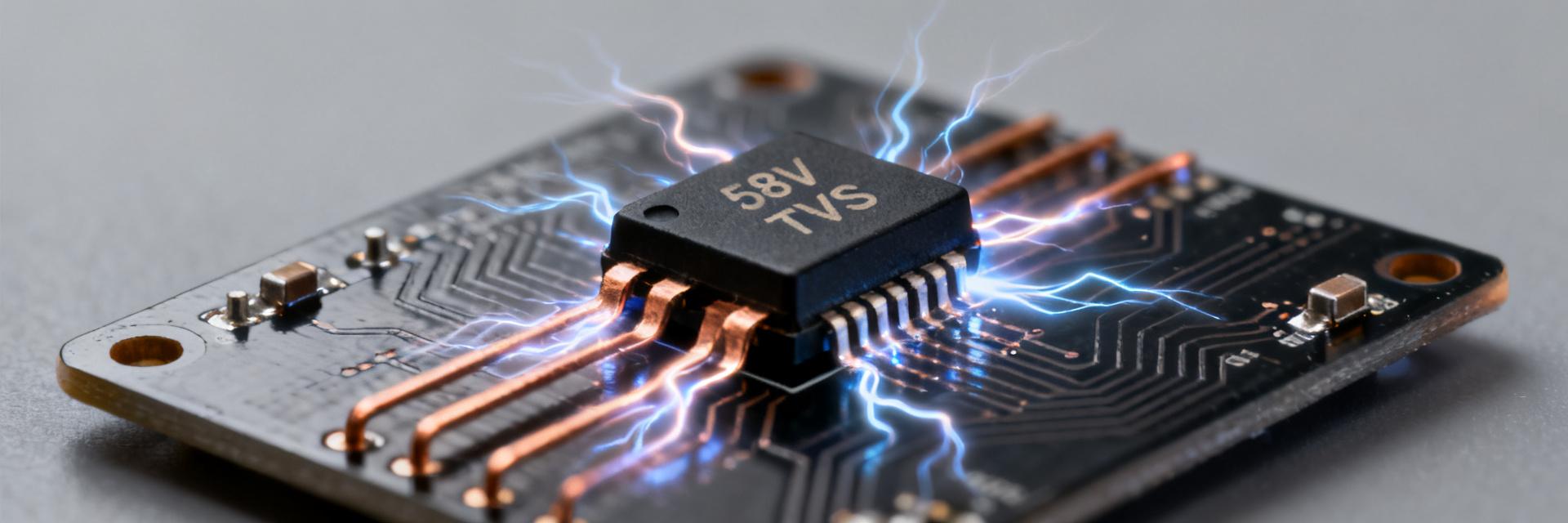
- Protection: Include RC low-pass filters (2–5 Hz) and TVS diodes for transient protection.
- Maintenance: Schedule routine span checks and track sensor age for proactive replacement.